
Electrical Testing and Certification (EICR) in Sutton & London
At Lumiel, we prioritise the safety of your home or business by providing expert compliance testing and certification services. Our team ensures your electrical systems meet all UK safety standards, giving you confidence and peace of mind.
Whether you’re a homeowner, landlord, or business owner, our City & Guilds-certified electricians provide thorough EICR inspections, transparent reporting, and trusted certification—so you can rest assured your property meets all legal and safety standards.
Why Electrical Testing & Certification Matters
Electrical compliance is not just a legal requirement—it’s a critical step in protecting people and property. Regular EICR testing (Electrical Installation Condition Report) helps identify potential hazards, ensures your wiring and appliances are safe, and keeps your insurance valid.
Key Benefits of EICR Testing:
- Legal Compliance – Mandatory for rental properties and businesses under UK regulations.
- Safety Assurance – Detects electrical faults, fire risks, and shock hazards before they become dangerous.
- Insurance Validity – Many insurers require up-to-date EICR certificates to cover claims.
- Peace of Mind – Confirms your property’s electrical systems are safe, efficient, and compliant.
As NICEIC-approved electricians, we adhere to the highest UK safety standards, ensuring every inspection is thorough, accurate, and actionable.
Our Electrical Testing Services
Domestic EICR Testing
For homeowners, we recommend an EICR every 10 years (or sooner if advised). Our electricians assess:
- Wiring condition and age
- Overloaded circuits
- Potential fire or shock risks
- Compliance with BS7671 (UK Wiring Regulations)
Landlord EICR Certificates
For rented properties in England, landlords must have the electrical installation inspected and tested at least every 5 years (or sooner if the latest report requires it). Our reports include:
- Clear pass/fail results
- Urgency codes (C1, C2, C3) for any issues
- Actionable recommendations
Commercial & Industrial EICR Testing
For commercial premises, periodic inspection is often required or recommended to meet safety duties and insurer requirements, and the right interval depends on the building and usage). We test:
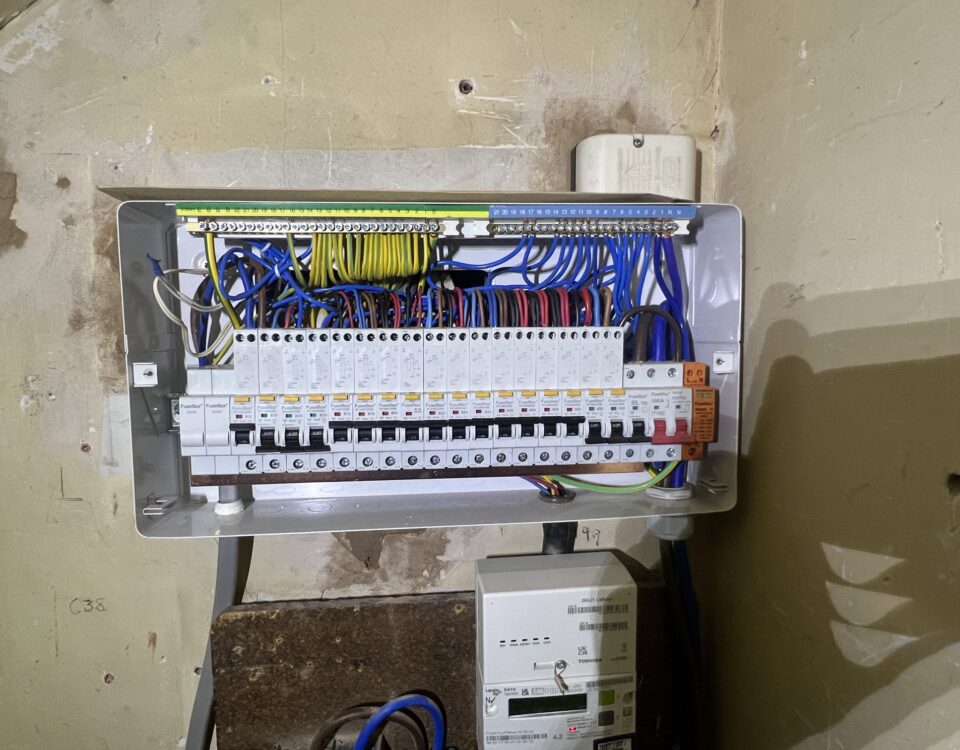
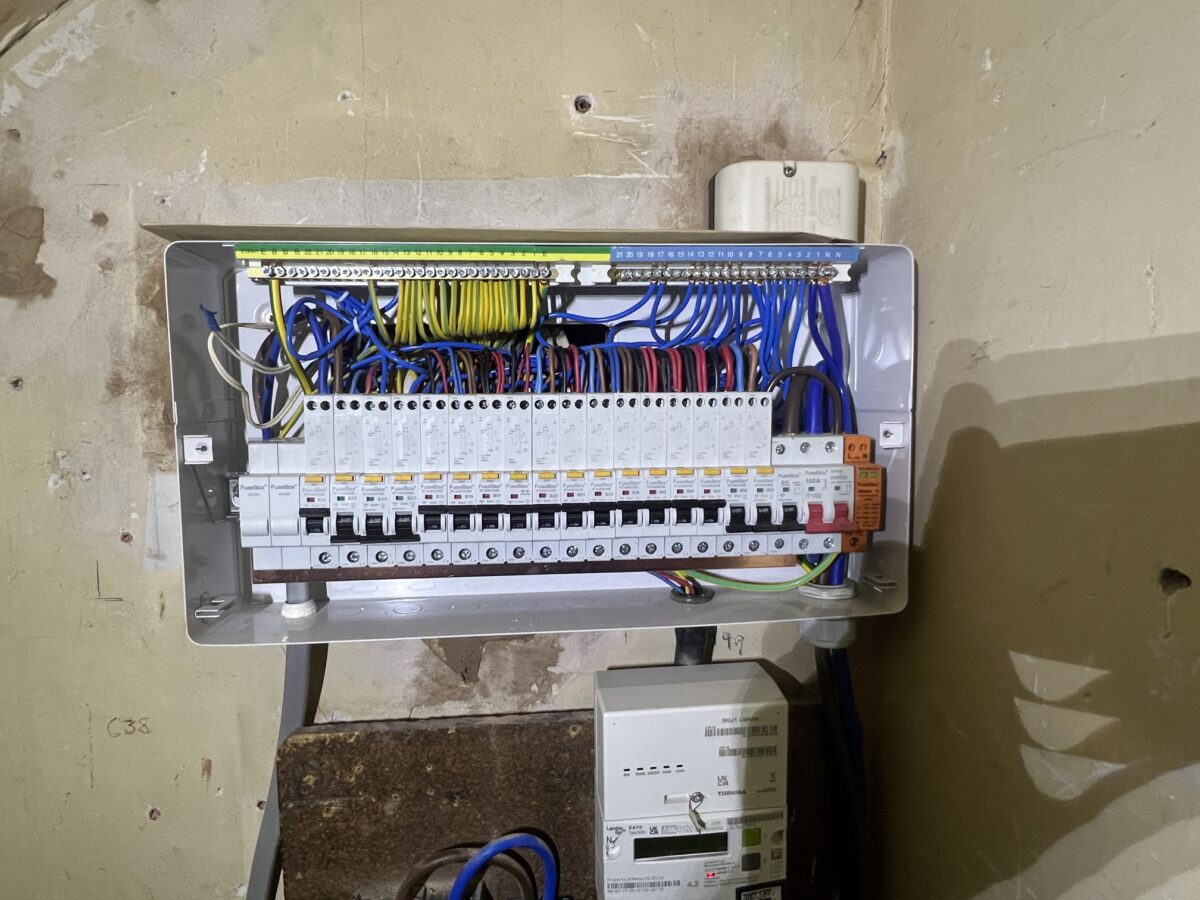
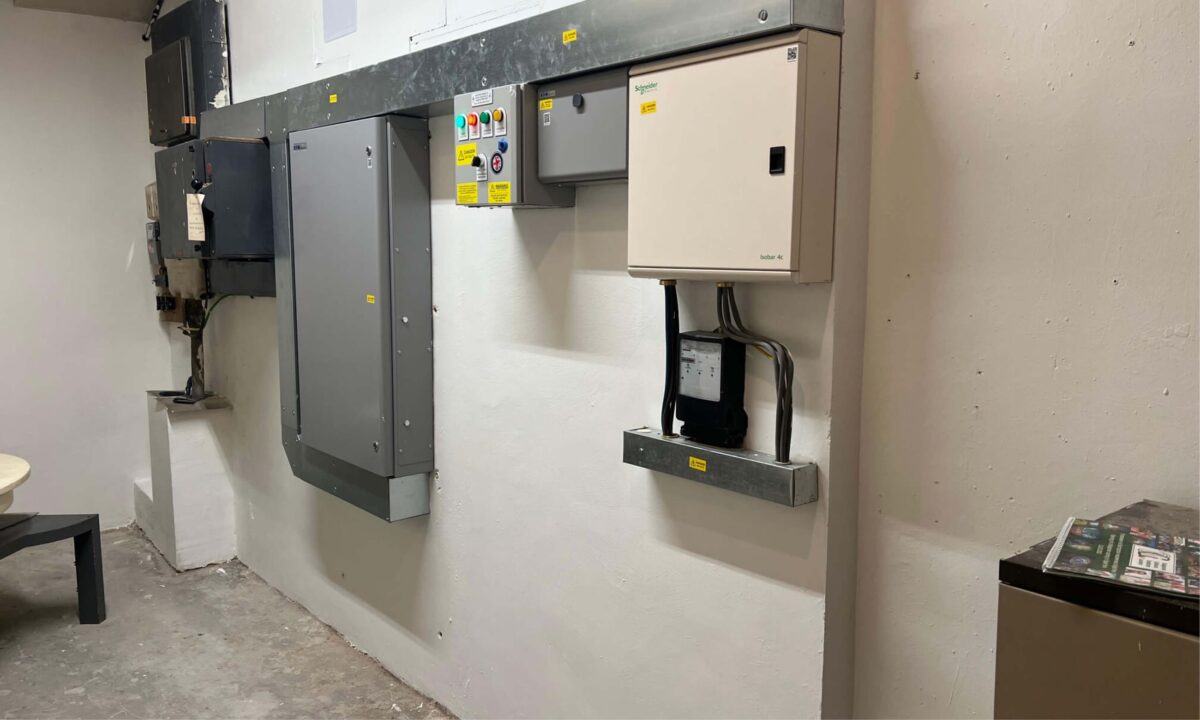
- Fixed wiring and distribution boards
- Emergency lighting and fire alarms
- Compliance with Health & Safety at Work Act 1974
Our Process: Safe, Transparent, and Efficient
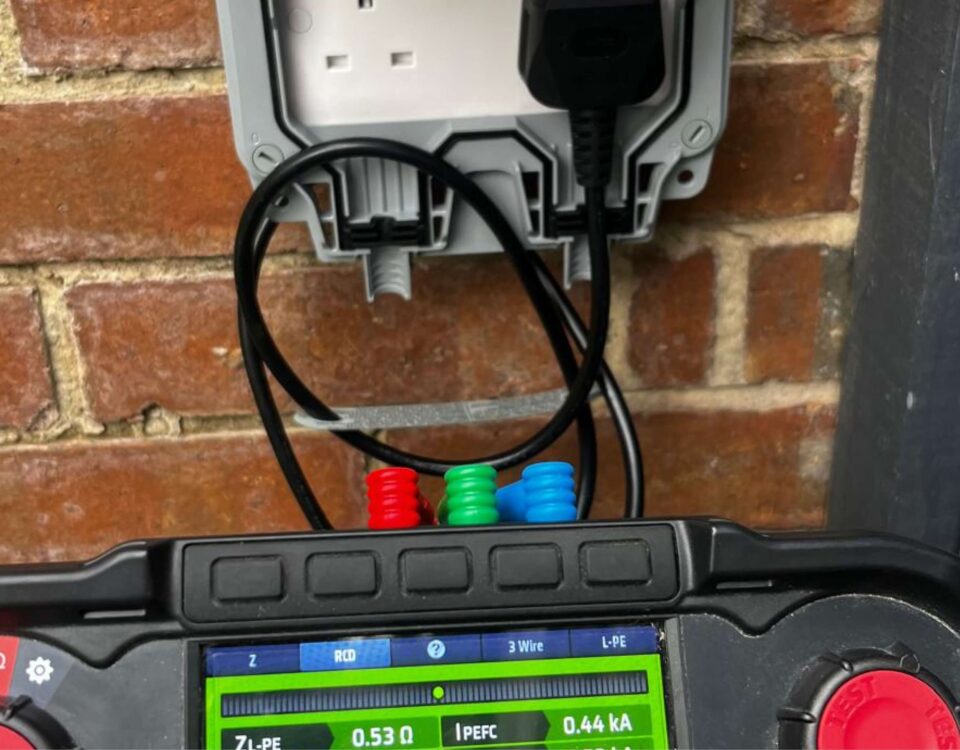
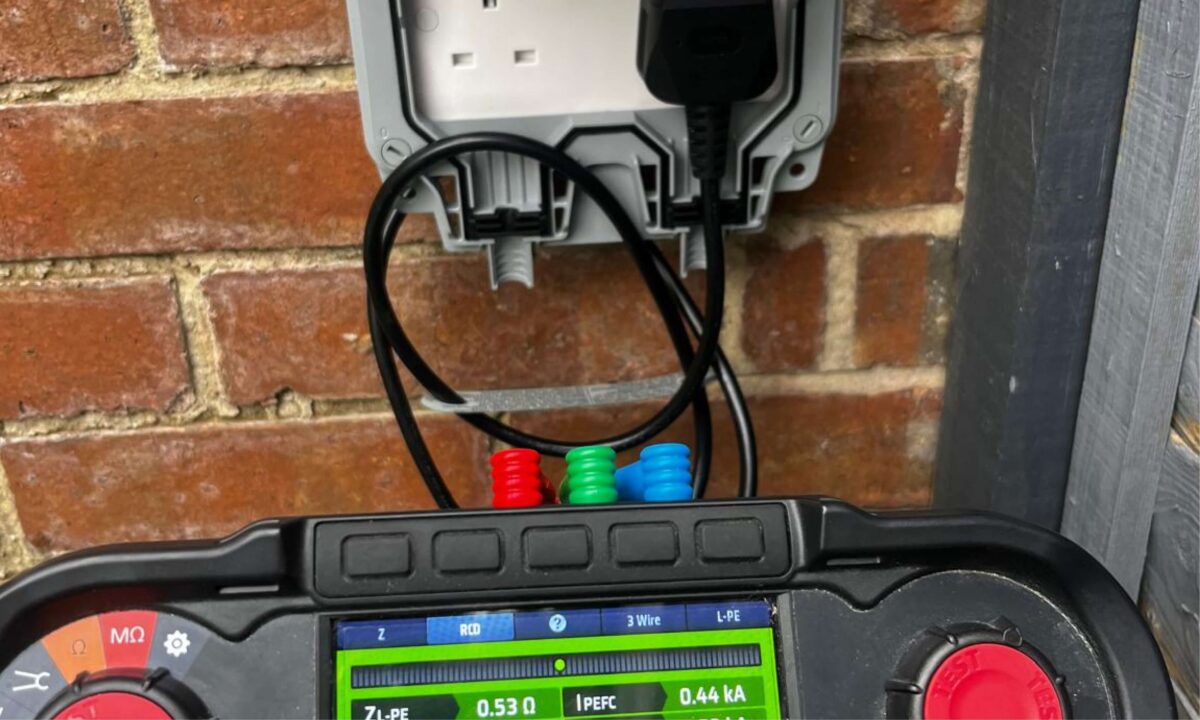
- Inspection – Our electricians visually and manually test all circuits, sockets, and switches.
- Reporting – You receive a detailed EICR with clear findings and urgency codes.
- Remediation – If issues are found, we provide fixed-price quotes for repairs.
- Certification – Once compliant, we issue your EICR certificate for records.
Why Choose Lumiel for EICR Testing?
- TRUSTED AND CERTIFIED – NICEIC and City & Guilds accredited.
- TRANSPARENT PRICING – No hidden fees; fixed quotes upfront.
- LOCAL EXPERTS – Serving Sutton, South London, Surrey, and London.
- SAFETY-FIRST APPROACH – We prioritise hazard detection and prevention.
Areas We Serve
- Sutton (SM1, SM2, SM3, SM5, SM6)
- South London (Merton, Croydon, Wimbledon)
- South-West London (Richmond, Kingston, Wandsworth)
- Surrey (Epsom, Leatherhead, Guildford)
- London (all boroughs)
Book Your EICR Testing Today
Don’t risk non-compliance or electrical hazards. Contact our Sutton electricians for a fast, professional inspection—your safety is our priority.
Frequently Asked Questions
Electrical testing and certification involves inspecting and testing your property’s electrical systems to ensure they are safe and compliant with UK regulations. This includes checks for wiring integrity, earthing, bonding, and circuit protection. After testing, you’ll receive a certificate (such as an EICR) confirming the installation’s safety. Regular testing is essential for maintaining compliance and protecting your property.
An Electrical Installation Condition Report (EICR) certifies that your property’s electrical systems are safe. It’s legally required for:- Landlords (every 5 years or at tenant change).
- Homeowners selling a property (often requested by buyers).
- Businesses (to comply with health and safety laws).
- Electrical Installation Condition Report (EICR): Assesses the safety of your property’s electrical systems.
- Minor Electrical Installation Works Certificate (MEIWC): Covers small electrical jobs, such as adding a new socket.
- Electrical Installation Certificate (EIC): Issued for new electrical installations or major rewires.
- Portable Appliance Testing (PAT) Certificate: Confirms the safety of electrical appliances in rental or commercial properties.